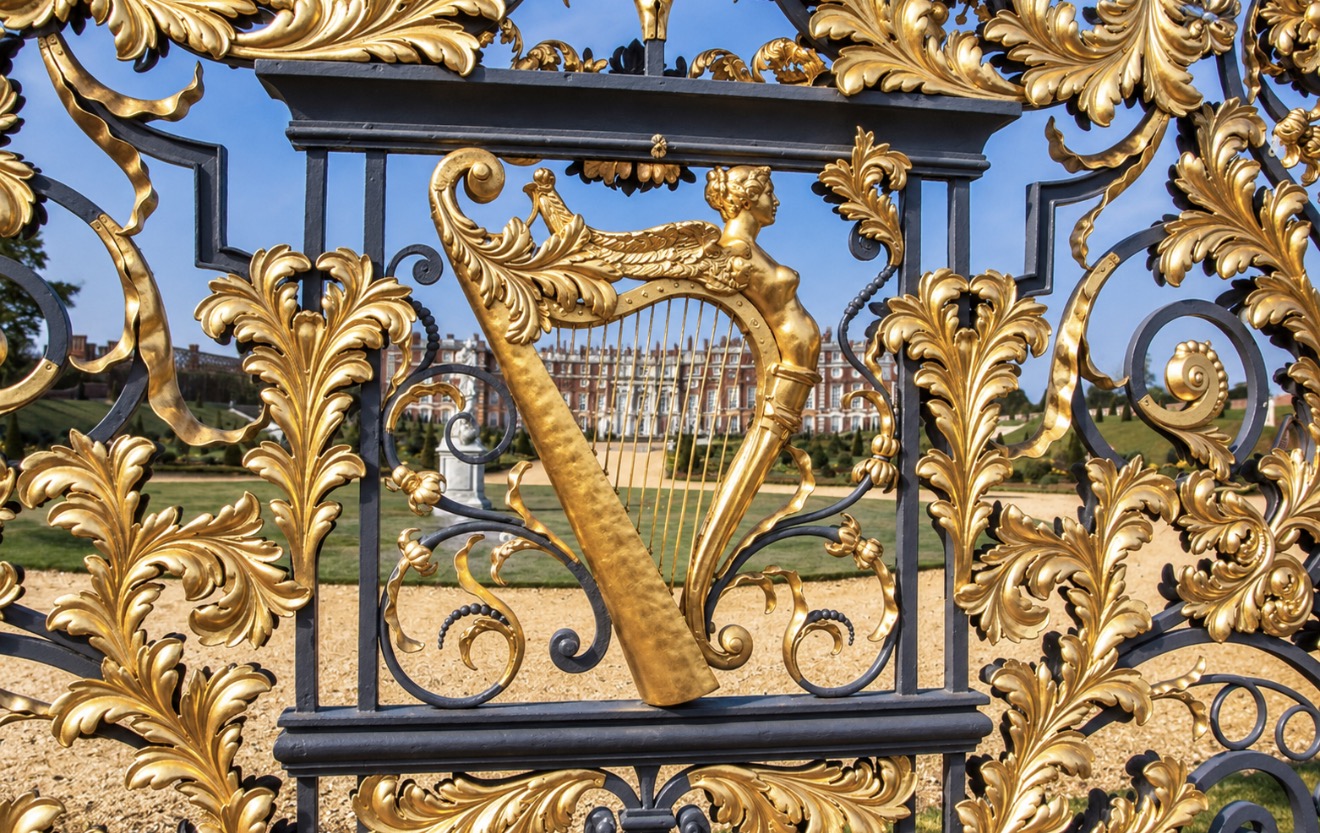
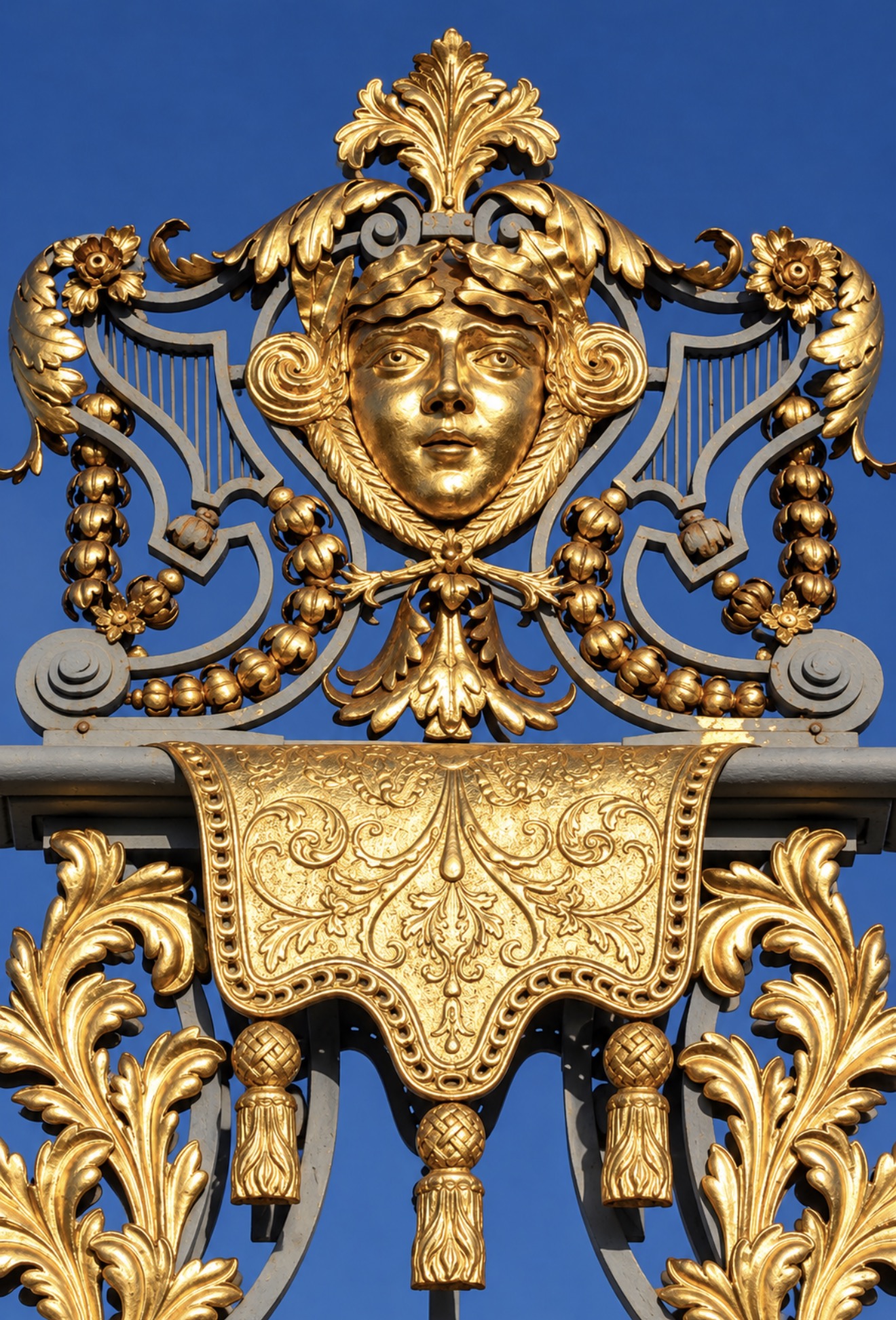
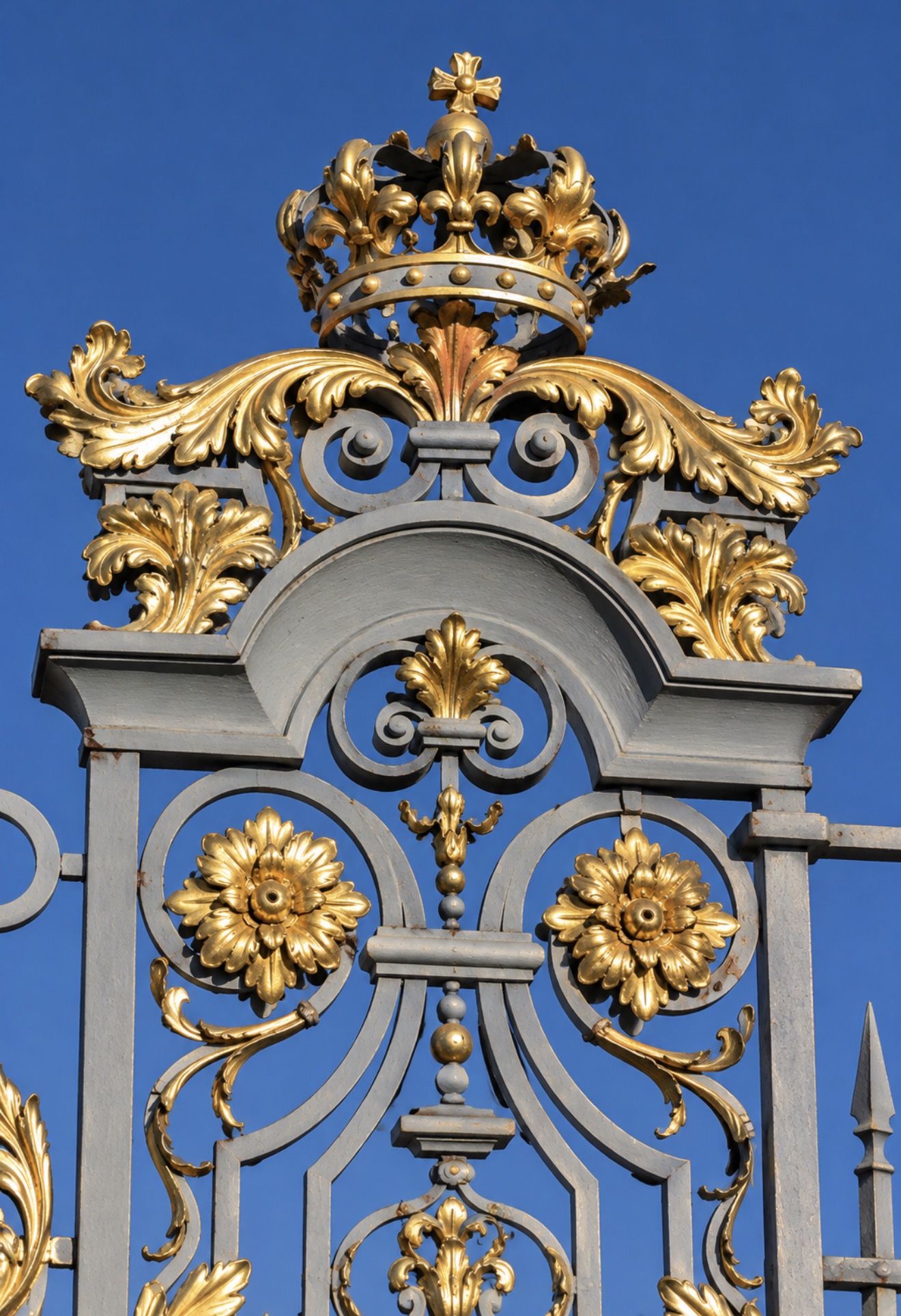
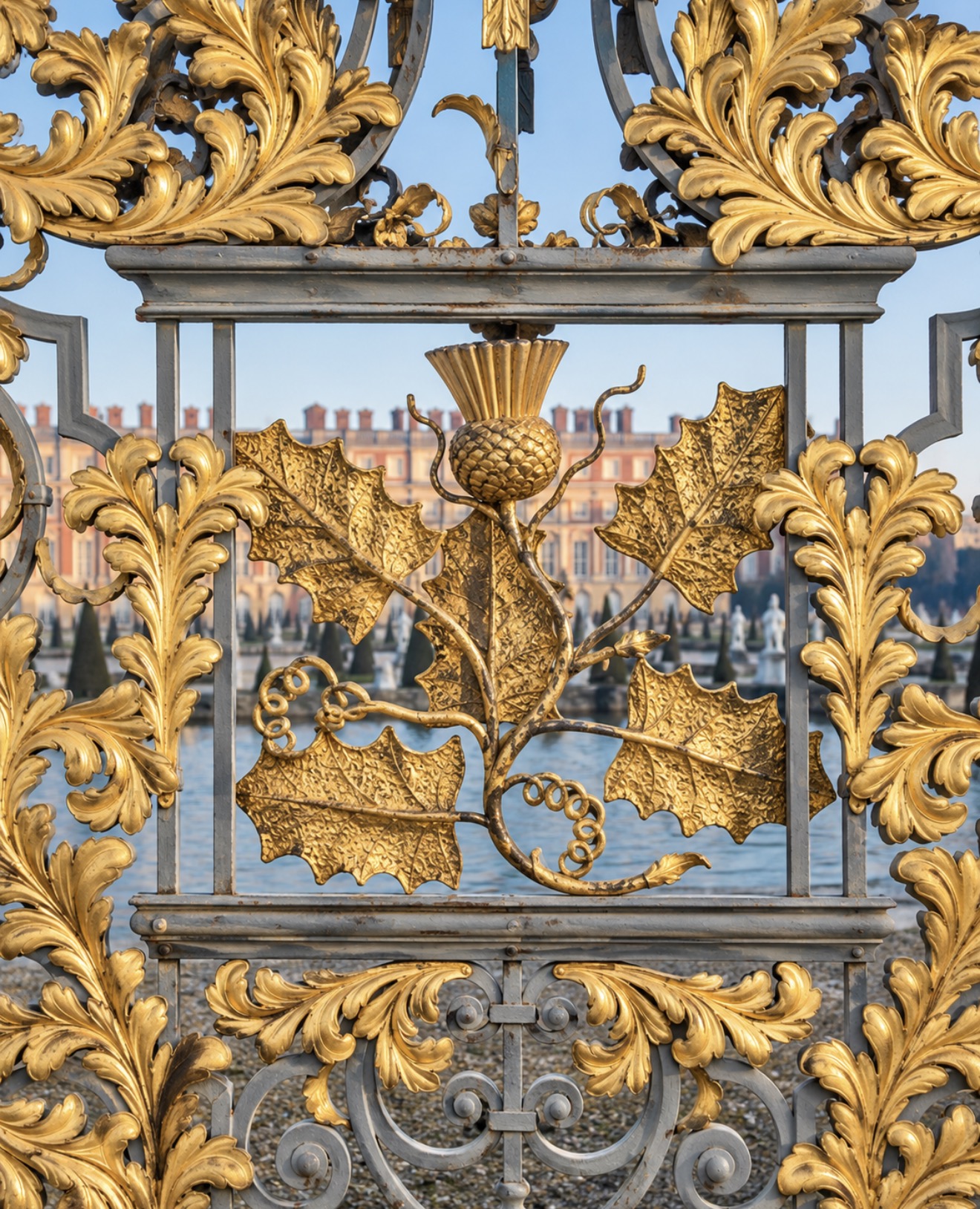
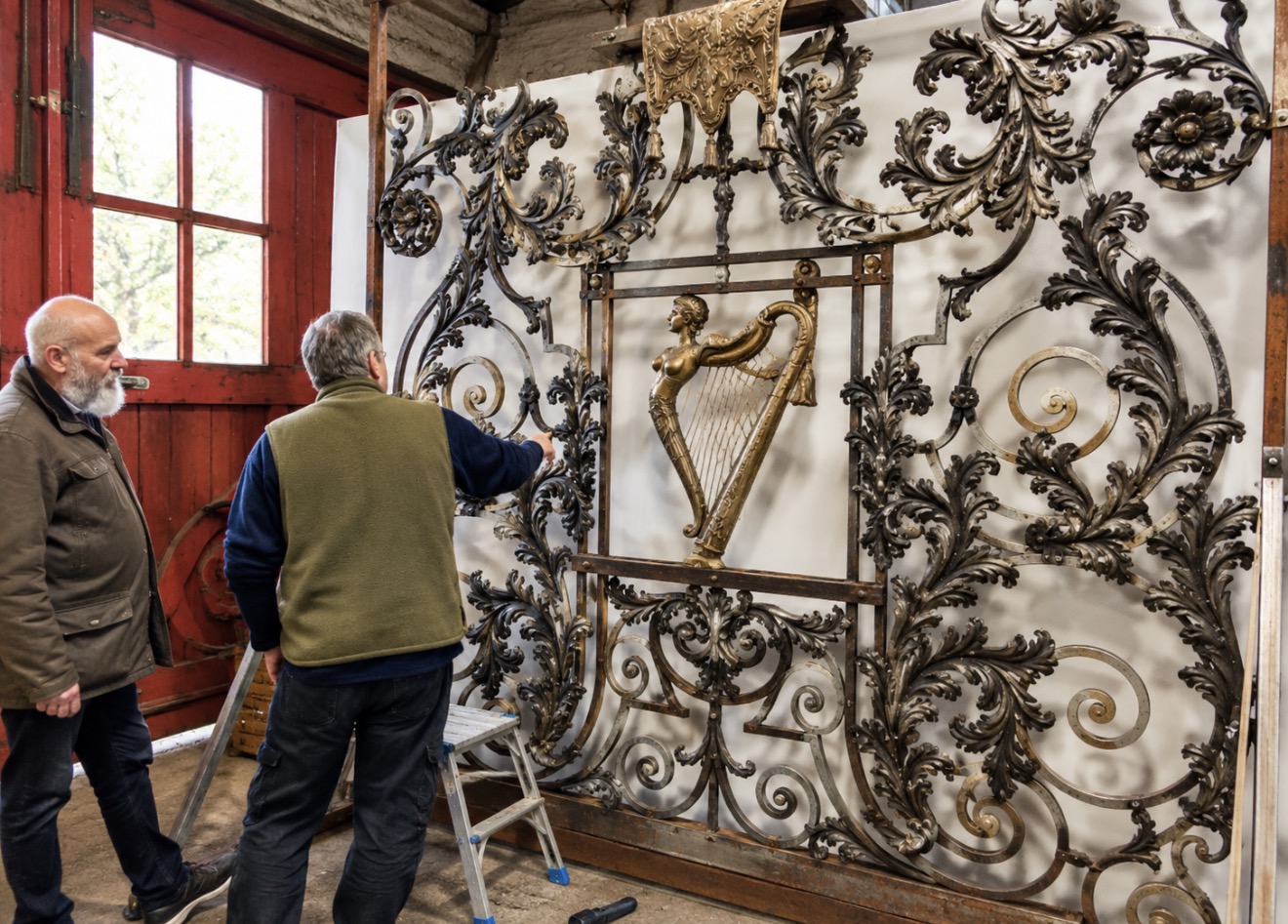
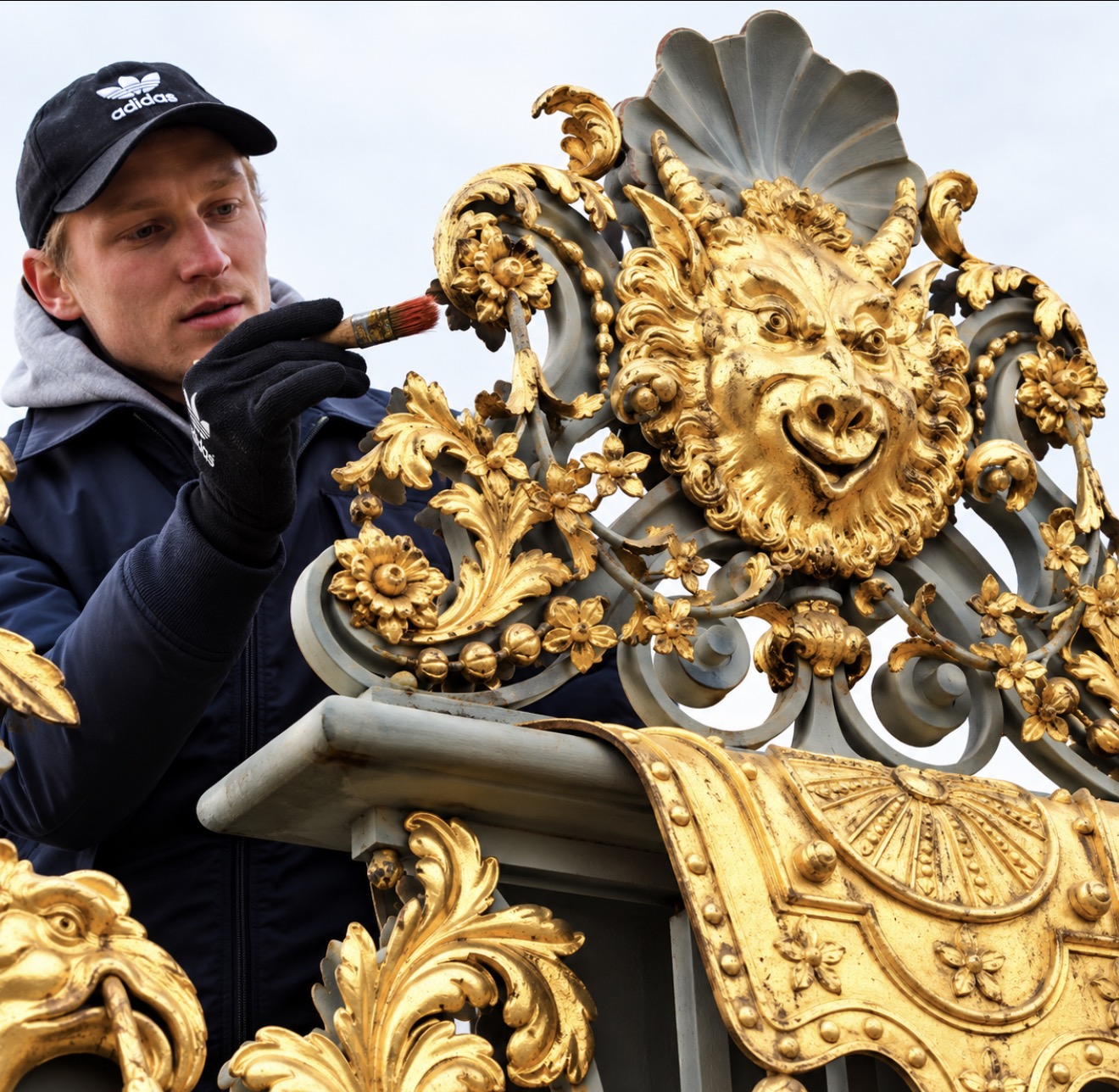
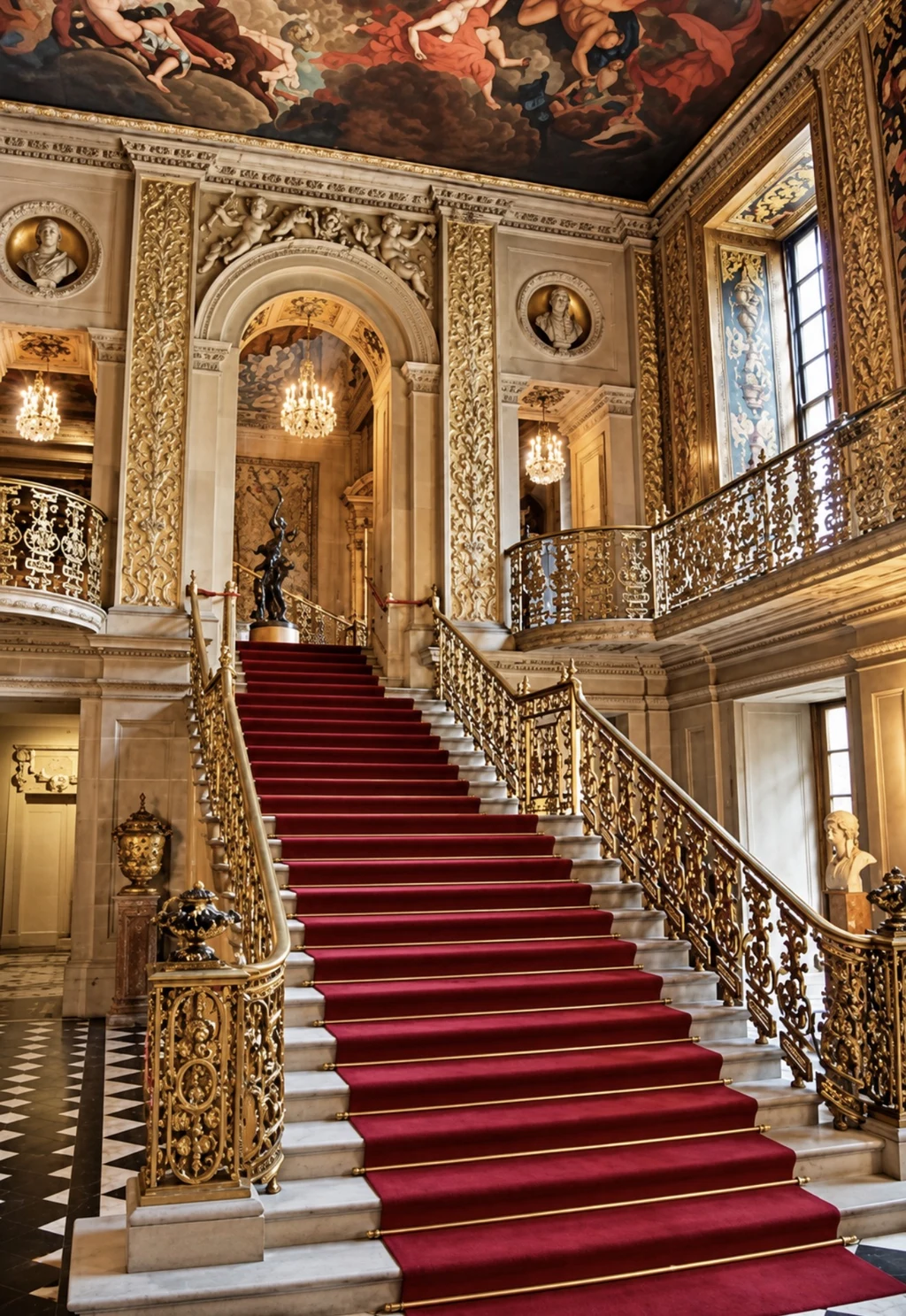
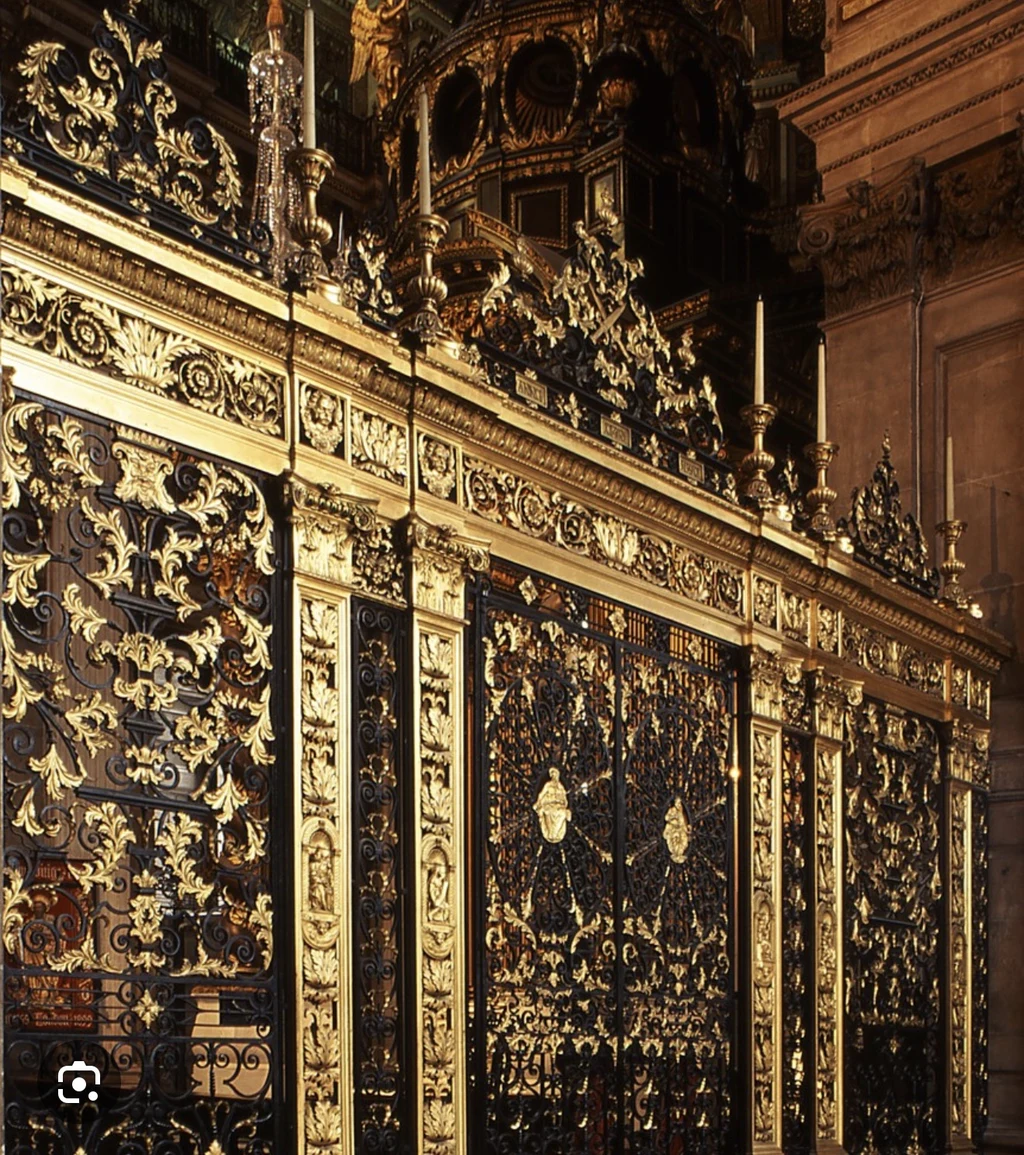
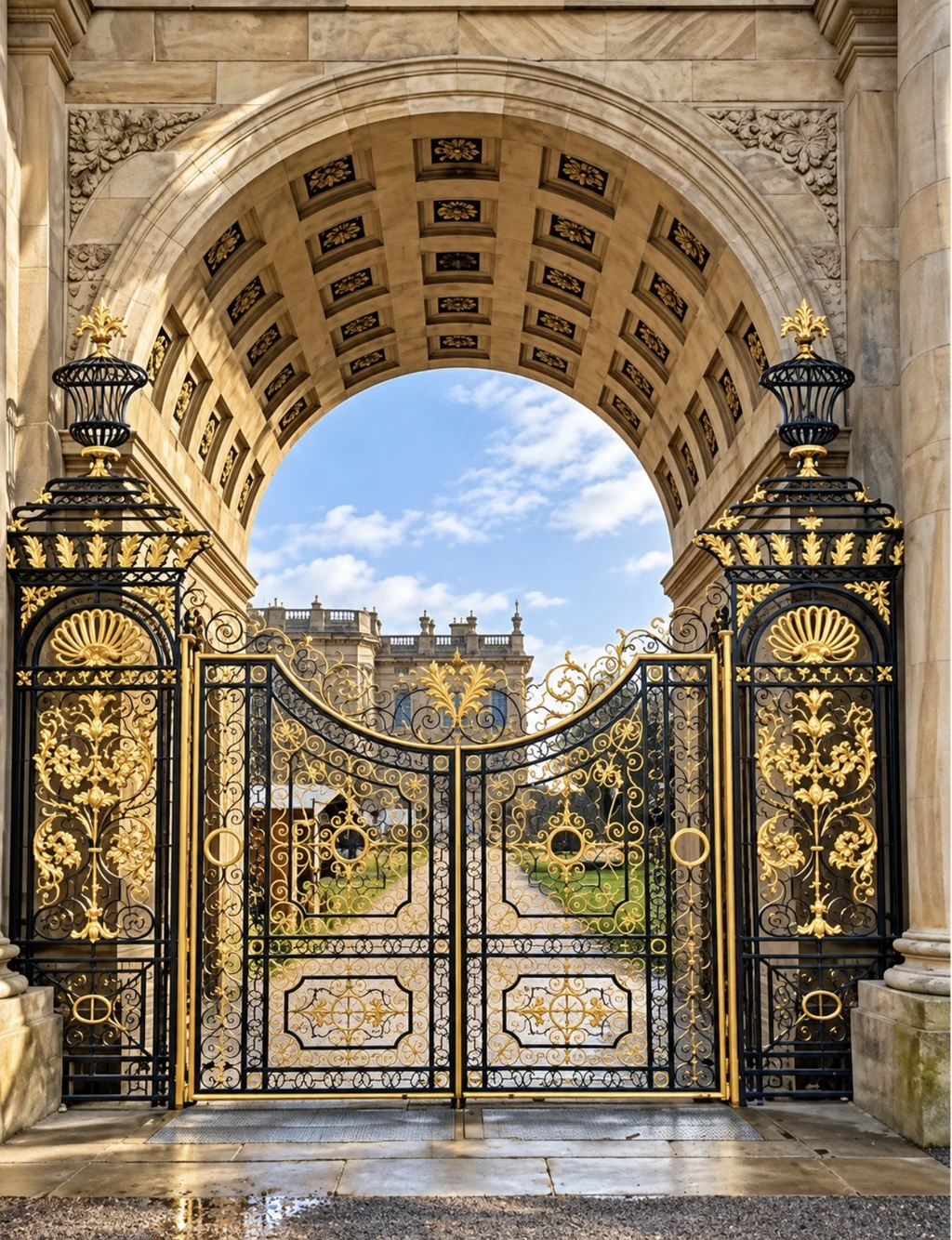
Tijou’s custom hand-forged decorative ironwork for fences, gates, doors, and railings embodies a timeless architectural artistry. What began as Jean Tijou’s personal quest to “work iron in perfection and with artes to be sought after in both historical restorations and new custom homes.” has evolved into a broader design language appreciated across centuries. The enduring appeal of this ironwork lies in its dual nature: it is at once utilitarian and highly artistic. A wrought-iron gate locks and protects, yet it greets visitors with intricate beauty. A railing provides support and safety, yet it delights the eye with patterns of scrolls and leaves. An ornamental door grille deters intruders, yet it also inspires with its handcrafted detail. This fusion of form and function is the hallmark of great architectural elements, and it explains why Tijoustyle ironwork continu The architectural tone of these iron pieces is one of stately elegance. Whether accenting a Baroque Revival mansion or adding old-world charm to a modern residence, they carry with them the gravitas of history and the bespoke quality of fine art. Importantly, they connect the present to the past: a new hand-forged fence made today still follows techniques from centuries ago, and a viewer admiring it experiences the same sense of awe that visitors to Hampton Court or Chatsworth might have felt in 1700. This continuity of craft is a living tradition. Modern blacksmith artisans, often trained in classical methods, take up the hammer to create pieces inspired by Tijou – or to carefully restore the master’s surviving works. In doing so, they ensure that the knowledge and aesthetic sensibilities are passed on. It is not uncommon to see contemporary ironwork studios referencing Tijou’s patterns or using his published designs as a base for custom projects, a testament to the lasting relevance of his vision. In a world where many building materials are mass-produced, the choice to include custom hand-forged ironwork is a commitment to authenticity and character. Each scroll, twist, and leaf carries the imprint of human hands and the subtle variations that come with true artisanal creation. This yields an outcome that feels rich and alive, in contrast to sterile factory-made components. Clients and architects who incorporate Tijou-style ironwork often remark on how it becomes the “jewel” of the property – a conversation piece that garners admiration. Sunlightglinting off a gilded gate, shadows of a lacy railing dancing on a terrace, the solid feel of an ornate iron handle – these sensory experiences elevate daily life. Ultimately, Tijou’s legacy in decorative ironwork teaches us that even the heaviest of materials can be fashioned into objects of delicate beauty. Through skilled craftsmanship and inspired design, iron is made to appear almost weightless, taking on the fluid curves of vines and the airy openness of lace. Fences, gates, doors, and railings that follow this tradition do more than serve a function; they tell a story – of heritage, of artistry, and of the harmonious blend of architecture and craft. As we admire or pass through these hand-forged creations, we become part of that story, connected by the enduring allure of decorative ironwork that truly transcends time.